May is Mental Health Awareness Month—a time dedicated to raising awareness and reducing stigma around mental health issues. While most people might turn to therapists, clinics, or nonprofits for support, one valuable resource may be closer than they think: their public library.
While I was attending the Texas Library Association conference in Dallas last month, Melinda Hodges, Library Director at Buda Public Library, stopped by the TSLAC booth for a chat. It was only later in the day that I realized I had just seen a news story about her and the library on a local Austin news channel. The story showcased a mental health program running out of Buda Public Library. I quickly contacted Melinda to set up an interview to learn more about what her library is doing to improve the mental health of their community.

Through a partnership with the St. David’s Foundation’s Libraries for Health initiative, the library now offers free mental health support services, both one-on-one and in group settings. This includes programs addressing anxiety, depression, divorce, and single parenting—all from the welcoming, trusted, and accessible environment of the local library.
How It Started
Melinda Hodges first began exploring the role libraries could play in public health during the early days of the pandemic. While completing a Certified Public Manager program for public sector professionals—she focused her capstone project on the potential for libraries to improve community health.
“The reports on mental health in America are scary,” Hodges said. “People are more isolated than ever. I wanted to understand how libraries—trusted and accessible spaces—could help change that.”
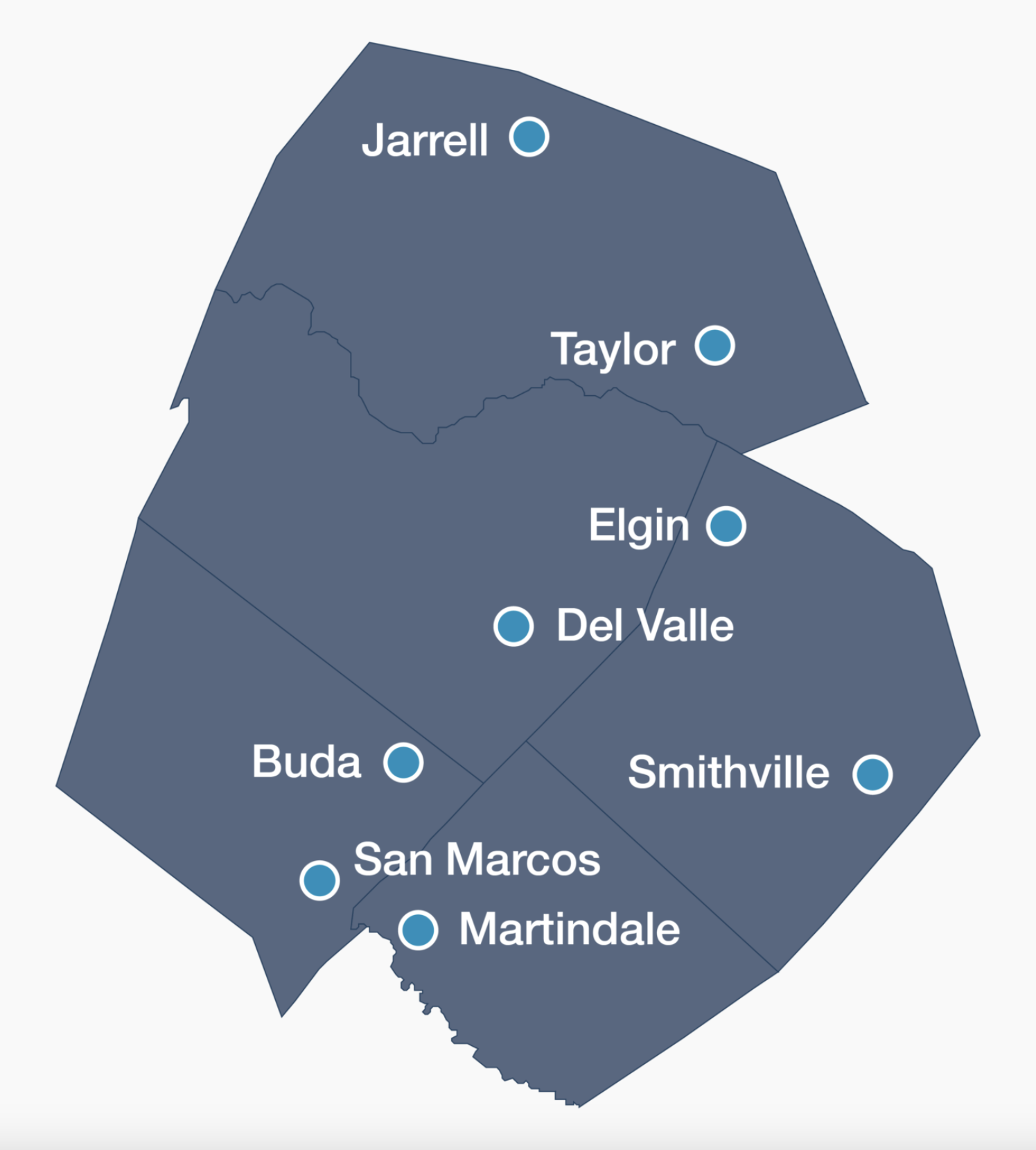
Shortly after completing her research, the St. David’s Foundation reached out. Buda was one of several libraries in Central Texas identified for the pilot phase of Libraries for Health, an initiative developed in partnership with the RAND Corporation to bring mental health support to rural and underserved communities. There are eight libraries across Central Texas participating in St. David’s Foundation’s Libraries for Health initiative; Jarrell Community Library and Resource Center, Taylor Public Library, Elgin Public Library, Del Valle Library, Smithville Public Library, San Marcos Public Library, and Martindale Public Library.
What the Program Offers
There are two main components to the initiative: funding to support library programming and staff capacity, as well as on-site peer support specialists who offer services to the public.
These peer support specialists—like George Barrera and Victoria Alaniz—have personal experience navigating mental health challenges and undergo certification through VIA Hope, the program’s training partner. They lead support groups and are available for private appointments each week.
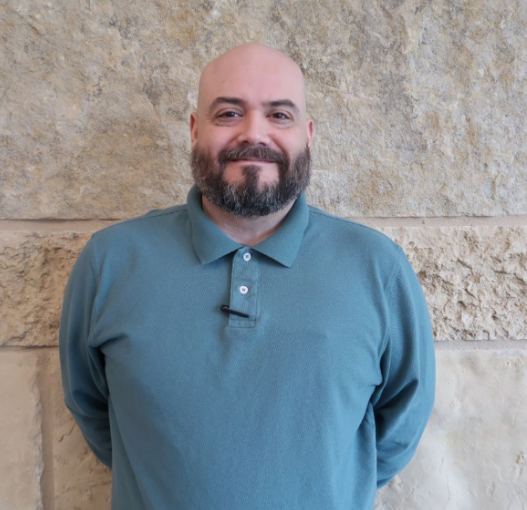
“I’ve dealt with depression and anxiety myself,” Barrera said. “Now I use what I’ve learned to help others. People can come here without the fear of judgment or a big price tag.”
At the library, Barrera facilitates group sessions and can see up to five individuals a day in one-on-one meetings. Alaniz brings her own lived experience and also meets individually with community members.
Support groups and lecture series currently include:
- Anxiety and Depression: Second and fourth Mondays at 1:30 p.m. and Wednesdays at 6:30 p.m.
- Divorced/Single Parent: First and third Mondays at 6:30 p.m.
- Co-parenting Skills Lecture Series: Second Mondays at 6:30 p.m.
Individual sessions can also be scheduled through the library’s online calendar.
Creative Approaches to Connection
The program doesn’t stop at direct peer support. With the help of grant funding, the Buda Public Library has hosted a variety of mental wellness-related events and programs. One standout was the Hobby Fair in January, designed to encourage social connection—a key factor in long-term mental health. The event exceeded expectations, drawing almost 300 attendees and offering hands-on activities, raffles, and resource booths.


Next up: a “Thrive Together” Mental Health and Self-Care Fair on May 10, featuring a convention-style layout with local organizations, breakout sessions, and even an evening concert. You can find full details and sign up here: Buda Library Event Calendar.
Training for Library Staff
Staff participation is another core element of the program. Through the Libraries for Health initiative, Hodges and her team have taken part in trainings on trauma-informed care, mental health first aid, de-escalation techniques, and WRAP (Wellness Recovery Action Plans). These professional development opportunities empower staff to better support patrons and manage challenges sensitively and effectively —skills that extend far beyond the mental health program itself.
Still, there are limitations. The program is currently funded through December 2025, and while Hodges has presented to city leadership about the importance of continuing the services, long-term sustainability remains uncertain.
A Bigger Conversation
Hodges understands that some might question why libraries are involved in mental health at all. But such services are scarce, especially in rural communities, and often have unnecessary stigmas associated with them.
“In a small town, people might hesitate to park outside a mental health clinic,” she said. “But the library is a neutral, welcoming space. Just walking in doesn’t mean anything specific—and that makes it easier to ask for help.”
She advises other libraries considering similar programs to start by evaluating capacity—not just physical space, but staff bandwidth and emotional labor. “You have to be honest about what you can take on,” she said. “But libraries are often the only place left that’s open to everyone.”
For more on the Libraries for Health initiative, check out this photo essay documenting how Texas libraries are supporting mental wellness in their communities.
